
The internet is full of skincare advice — and unfortunately, a lot of it is flat-out wrong. From old wives’ tales to viral social media trends, skincare myths are everywhere and can actually do more harm than good when you follow them. At ENNAesthetics – Designer Skin and Body, we’re setting the record straight on the most common misconceptions so you can make smarter, more informed decisions about your skin.
Myth 1: You only need SPF on sunny days
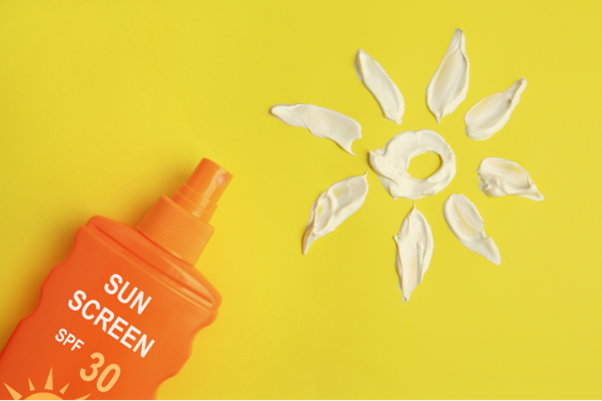
This is one of the most damaging myths in skincare. UV rays — particularly UVA rays, which are responsible for premature aging — penetrate through clouds and even glass. That means your skin is exposed to UV damage on overcast days, in the car, and even sitting near a window indoors. Daily SPF 30 or higher is essential every single day, regardless of the weather.
Myth 2: Oily skin doesn’t need moisturizer
Many people with oily skin skip moisturizer thinking it will make their skin greasier. In reality, skipping moisturizer can actually make oiliness worse. When the skin is dehydrated, it overproduces oil to compensate. Using a lightweight, non-comedogenic moisturizer helps balance the skin and regulate oil production over time.
Myth 3: Expensive products are always better
Price tag does not equal effectiveness. What matters is the formulation, the concentration of active ingredients, and whether those ingredients are suited to your skin type. Some of the most effective skincare ingredients — like niacinamide and hyaluronic acid — are found in both budget and luxury products. A professional esthetician can help you identify what actually works for your skin without overspending.
Myth 4: Natural and organic ingredients are always safer

Natural doesn’t automatically mean gentle or safe. Poison ivy is natural. Many plant-based ingredients can cause allergic reactions, irritation, or photosensitivity. Conversely, many lab-synthesized ingredients are extremely well-tolerated and rigorously tested for safety. Always assess an ingredient based on how your skin responds to it, not just its origin.
Myth 5: You should feel a tingling or burning sensation for a product to be working
Tingling is not a sign of effectiveness — it’s often a sign of irritation. While some mild sensations are normal with certain active ingredients like AHAs or vitamin C, a burning or stinging feeling generally means your skin barrier is compromised or the product is too strong. Healthy skincare should not hurt.
Myth 6: Pores can open and close
Pores don’t have muscles, so they can’t actually open or close in response to temperature. What steam and warmth do is soften the skin and loosen the debris inside pores, making extractions easier. Cold water doesn’t close pores either — it can temporarily reduce their appearance, but pore size is largely determined by genetics and skin type.
Myth 7: Drinking lots of water gives you glowing skin

Staying hydrated is important for your overall health, but drinking water alone won’t transform your complexion. Skin hydration is primarily determined by your skin barrier and the moisturizing products you use topically. Drinking water supports your body’s functions, but it won’t directly plump or hydrate the outer layers of your skin the way a good moisturizer will.
Myth 8: You don’t need a skincare routine in your twenties
Prevention is far easier than correction. The habits you build in your twenties — wearing SPF, moisturizing consistently, and getting regular professional treatments — have a significant impact on how your skin ages in the decades ahead. Collagen loss begins in your mid-twenties, making early skincare investment one of the smartest things you can do for your long-term complexion.
Myth 9: Popping pimples makes them go away faster
It feels satisfying in the moment, but popping pimples almost always makes things worse. It pushes bacteria deeper into the skin, increases inflammation, and significantly raises the risk of post-inflammatory hyperpigmentation and permanent scarring. A professional facial with proper extractions is always the safer, more effective option.
Myth 10: Once you start professional treatments, you can’t stop
This is a common concern — and completely unfounded. Professional treatments like facials, chemical peels, and dermaplaning don’t make your skin dependent on them or cause it to worsen if you stop. Your skin will simply return to its baseline over time. Regular treatments help maintain and improve your skin, but stopping them won’t cause a sudden decline.
Frequently asked questions
How do I know what skincare advice to trust? Look for advice from licensed estheticians, dermatologists, or skincare professionals with verifiable credentials. Be cautious of viral social media trends that haven’t been reviewed by professionals — what works for one skin type can be harmful for another. A personalized consultation is always the most reliable source of skincare guidance.
Is it bad to switch skincare products frequently? Constantly switching products doesn’t give your skin enough time to respond. Most skincare ingredients need at least 4 to 8 weeks of consistent use before you can fairly assess whether they’re working. Stick with a routine long enough to see real results before making changes.
Can diet affect my skin? Yes, to an extent. A diet high in processed foods, sugar, and dairy has been linked to increased inflammation and breakouts in some individuals. A balanced diet rich in antioxidants, healthy fats, and hydration supports overall skin health — but diet alone won’t resolve most skin concerns without the right topical care and professional treatments.
Don’t let skincare myths hold your skin back
Book a consultation at ENNAesthetics – Designer Skin and Body and get personalized, professional advice tailored to your skin — no guesswork, no gimmicks.