

Your skin is one of the most communicative organs in your body. Every breakout, patch of dryness, sudden flush of redness, or bout of dullness is your skin sending you a signal. The problem is that most of us have never been taught how to read those signals — so we either ignore them or throw random products at the problem and hope for the best.
At ENNAesthetics – Designer Skin and Body, understanding your skin is at the heart of everything we do. Here’s a guide to decoding the most common skin signals and what they might be telling you.
Persistent breakouts — your skin may be congested, stressed, or hormonally triggered
Breakouts are one of the skin’s most common distress signals, but their location and pattern can tell you a lot about the underlying cause. Breakouts along the jawline and chin are often hormonally driven, typically flaring around the menstrual cycle or during periods of high stress. Breakouts across the forehead may be linked to digestive health or product buildup from hair products. Breakouts on the cheeks can be triggered by phone screens, pillowcases, or touching the face.
What to do: Identify patterns in when and where your breakouts appear. Keep your pillowcase clean, your phone screen wiped, and your hands away from your face. Regular professional facials help clear congestion before it develops into full breakouts.
Dullness and uneven texture — your skin needs renewal

If your complexion looks flat, tired, and lackluster regardless of how much you sleep, it’s often a sign that dead skin cells are building up on the surface faster than they’re being shed. This can be made worse by dehydration, stress, poor diet, and inconsistent skincare.
What to do: Incorporate gentle exfoliation into your routine — either through AHA products or regular professional exfoliating treatments like dermaplaning or chemical peels. Staying well-hydrated and using a vitamin C serum in the mornings also makes a significant difference.
Tightness and flakiness — your skin barrier needs support
If your skin feels tight, rough, or flaky — especially after cleansing — it’s a strong sign that your skin barrier is compromised or your routine is too stripping. Over-cleansing, over-exfoliating, harsh ingredients, and environmental factors like cold weather and indoor heating all damage the skin barrier over time.
What to do: Simplify your routine. Switch to a gentle, non-foaming cleanser, add a hydrating serum with hyaluronic acid, and use a richer moisturizer to repair and protect the barrier. Avoid aggressive exfoliants until the skin has recovered.
Excess oiliness — your skin may be dehydrated or over-cleansed
It sounds counterintuitive, but oily skin is often a sign of dehydration. When the skin lacks adequate moisture, it overproduces sebum to compensate — creating that slick, shiny finish that many people mistake as their natural skin type. Over-cleansing and stripping the skin of its natural oils makes this cycle worse.
What to do: Add a lightweight, oil-free moisturizer to your routine even if your skin feels oily. Use a gentle cleanser rather than a harsh foaming one. Regular professional treatments help regulate oil production and restore balance.
Redness and sensitivity — your skin barrier may be inflamed
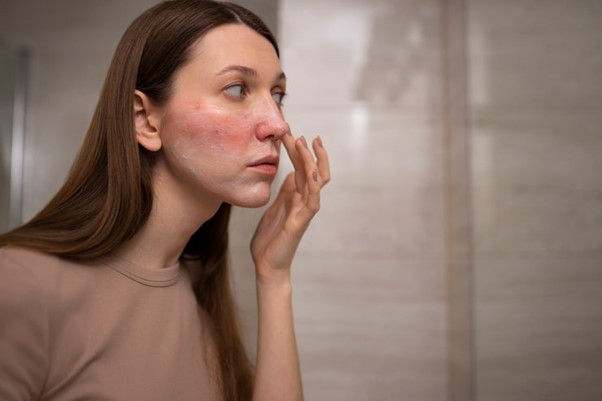
Persistent redness, flushing, or sensitivity to products that used to work well is a sign that your skin barrier has been weakened. This can happen gradually from over-exfoliation, using too many active ingredients at once, environmental stressors, or an underlying condition like rosacea.
What to do: Strip your routine back to basics — a gentle cleanser, a barrier-repairing moisturizer, and SPF. Avoid active ingredients like retinol and exfoliating acids until the redness has calmed. If sensitivity persists, a professional consultation is the best next step to identify whether an underlying condition needs addressing.
Dark spots and hyperpigmentation — your skin is showing sun or inflammation damage
Dark spots and uneven pigmentation are your skin’s response to either UV damage accumulated over time or post-inflammatory hyperpigmentation left behind by healed blemishes. Both are extremely common and very treatable — but they do require consistency and the right approach.
What to do: Daily SPF is non-negotiable — without it, any treatment for dark spots will be undermined. Incorporate a vitamin C serum to brighten and protect. For more significant pigmentation, professional treatments like chemical peels or microneedling deliver faster and more lasting results.
Puffiness — your skin may be retaining fluid or reacting to lifestyle factors
Waking up with a puffy face, particularly around the eyes, is most commonly linked to poor sleep, high salt intake, alcohol consumption, or fluid retention. It can also be a sign of allergies or inflammation. Occasional puffiness is normal, but persistent puffiness warrants a closer look at lifestyle habits.
What to do: Elevate your head slightly when sleeping, reduce salt and alcohol intake, and stay well-hydrated. Gentle facial massage and lymphatic drainage techniques can help move excess fluid. If puffiness is persistent and unexplained, consult a healthcare professional.
Frequently asked questions
How do I know if my skincare products are causing my skin issues? If your skin suddenly becomes reactive, red, or breaks out after introducing a new product, that product is the most likely culprit. The best approach is to introduce one new product at a time and wait at least two weeks before adding another. This makes it easy to identify what your skin is responding to.
Can hormones really affect my skin that much? Absolutely. Hormonal fluctuations — whether from the menstrual cycle, pregnancy, menopause, or stress — have a direct impact on oil production, inflammation, and skin sensitivity. If you notice consistent cyclical changes in your skin, tracking your breakouts alongside your cycle can reveal useful patterns that your esthetician can help you manage.
When should I see a professional about my skin concerns? If your skin concerns are persistent, worsening, or significantly affecting your confidence, a professional consultation is always worthwhile. At ENNAesthetics, consultations are designed to assess your skin thoroughly and build a personalized treatment plan — so you’re never left guessing.
Is it possible to over-care for your skin? Yes. Over-cleansing, over-exfoliating, and layering too many active ingredients are among the most common causes of a compromised skin barrier. More is not always better in skincare. A streamlined, well-chosen routine consistently applied beats a complicated, product-heavy one every time.
Your skin is speaking — are you listening?
Book a skin consultation at ENNAesthetics – Designer Skin and Body and let our expert estheticians help you decode what your skin is telling you — and build a plan to address it.